Patients no longer rely solely on referrals or word-of-mouth recommendations when choosing a doctor, hospital, or clinic. Today, the patient journey begins online, often with a simple search like “best cardiologist near me” or “pediatric clinic open today.” This shift makes healthcare SEO (search engine optimization for healthcare) essential for hospitals, clinics, therapists, and private practices that want to stay competitive.
With rising competition, rapidly changing patient expectations, and aggressive digital advertising across the medical landscape, organic visibility can no longer be left to chance. Winning organic traffic requires a structured SEO strategy supported by trusted content, technical excellence, local search optimization, and a strong reputation across digital channels.
This comprehensive guide outlines the most important best practices for SEO for healthcare, helping medical providers strengthen their online presence, attract more patients, and build long-term authority in the healthcare industry.
1. Understanding Healthcare SEO and Why It Matters
Healthcare SEO refers to the specialized process of optimizing medical websites to appear higher in search results when patients look for services, treatments, symptoms, or healthcare providers. Unlike general SEO, medical SEO requires deeper trust, accuracy, compliance, and adherence to industry guidelines — especially those related to E-E-A-T (Experience, Expertise, Authoritativeness, Trust).
Because healthcare is a “Your Money or Your Life” (YMYL) industry, Google closely evaluates:
-
Medical credibility
-
Quality of health-related content
-
Accuracy of medical information
-
Trustworthiness of the website and its authors
This makes SEO for healthcare providers uniquely challenging but also very rewarding. When done correctly, medical search engine optimization boosts visibility, brings in high-intent patient traffic, and increases appointment bookings.
2. Build a High-Authority Website With Strong E-E-A-T Signals
Search engines treat healthcare content with extra caution. To rank well, every medical website must demonstrate:
Experience and Expertise
Include:
-
Author bios for doctors, therapists, or specialists
-
Credentials, qualifications, and years of experience
-
Clear descriptions of your medical background
-
Links to medical associations or certifications
This supports medical website SEO by ensuring Google sees your practice as a reliable source.
Authoritativeness
To build authority:
-
Publish evidence-based medical articles
-
Use citations from trusted journals or health organizations
-
Ensure doctors review or approve clinical content
Trustworthiness
Boost trust by adding:
-
Full physical address and updated contact information
-
SSL certificate and secure site architecture
-
HIPAA-compliant forms
-
Transparent policies
These elements help strengthen SEO for medical websites and improve your ranking across competitive medical keywords.
3. Create High-Quality, Patient-Focused Medical Content
Content is the core of effective healthcare SEO services. To attract and convert patients, your medical practice must publish valuable, accurate, and user-friendly information.
What type of content should you create?
-
Treatment pages
-
Symptom and condition guides
-
Medical procedure explanations
-
Service pages for each specialty
-
FAQs related to patient concerns
-
Blog posts covering healthcare education
-
Patient stories or success case studies
Why content matters for SEO medical marketing?
Because users actively search for health information, your content becomes the bridge that connects your expertise with their needs. Well-structured content also helps search engines understand your authority in specific medical niches.
Best practices for content creation
-
Use simple medical language patients can understand
-
Avoid jargon and keep explanations clear
-
Provide medically reviewed content
-
Integrate keywords naturally (e.g., SEO for hospitals, SEO for medical clinics)
-
Address patient intent directly
Creating informative content helps build trust and supports both health SEO and patient retention.
High-quality, patient-focused content is a cornerstone of successful healthcare SEO, especially as search engines prioritize expertise, trust, and user experience. Staying updated with content marketing trends shaping 2026 helps medical providers create content that aligns with evolving search behavior.
4. Optimize for Local SEO to Attract Nearby Patients
For healthcare organizations, local search engine optimization for healthcare is one of the strongest drivers of patient acquisition. Most people want a provider “near me,” and search engines tailor their results accordingly.
Key local SEO strategies
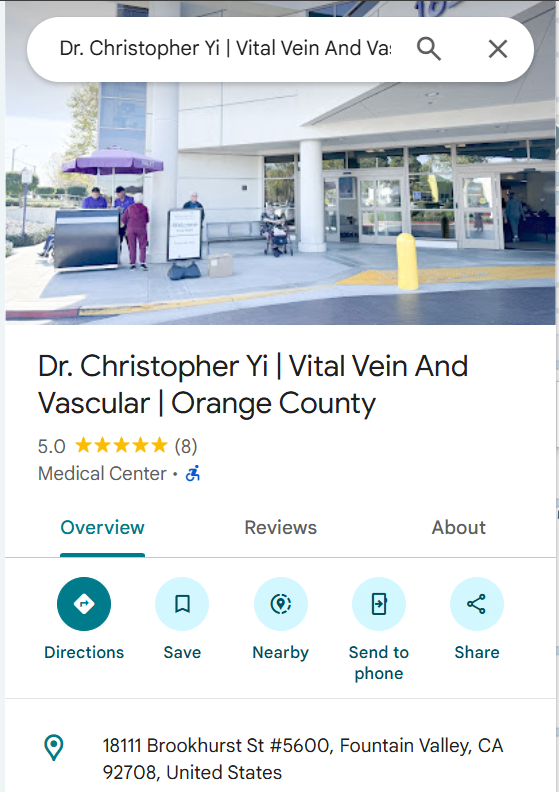
Claim and optimize your Google Business Profile
Include:
-
Accurate NAP (Name, Address, Phone)
-
Operating hours
-
Photos of the clinic or hospital
-
Services and specialties
-
Appointment links
This dramatically boosts visibility for SEO for medical practice and provider SEO.
Local citations
List your practice across:
-
Healthgrades
-
WebMD
-
Yelp
-
Vitals
-
Local directories
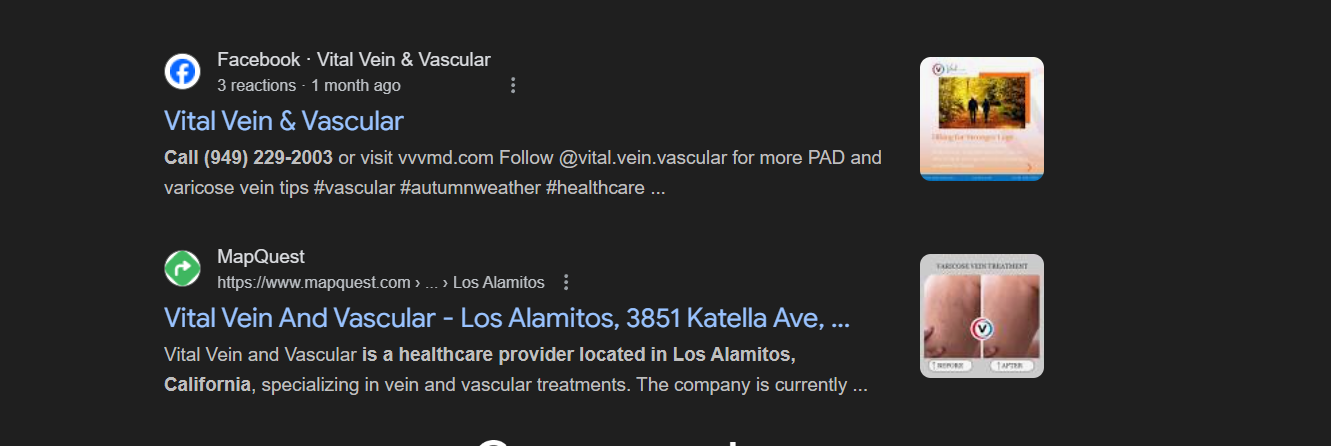
Consistency is crucial. Mismatched details lower rankings.
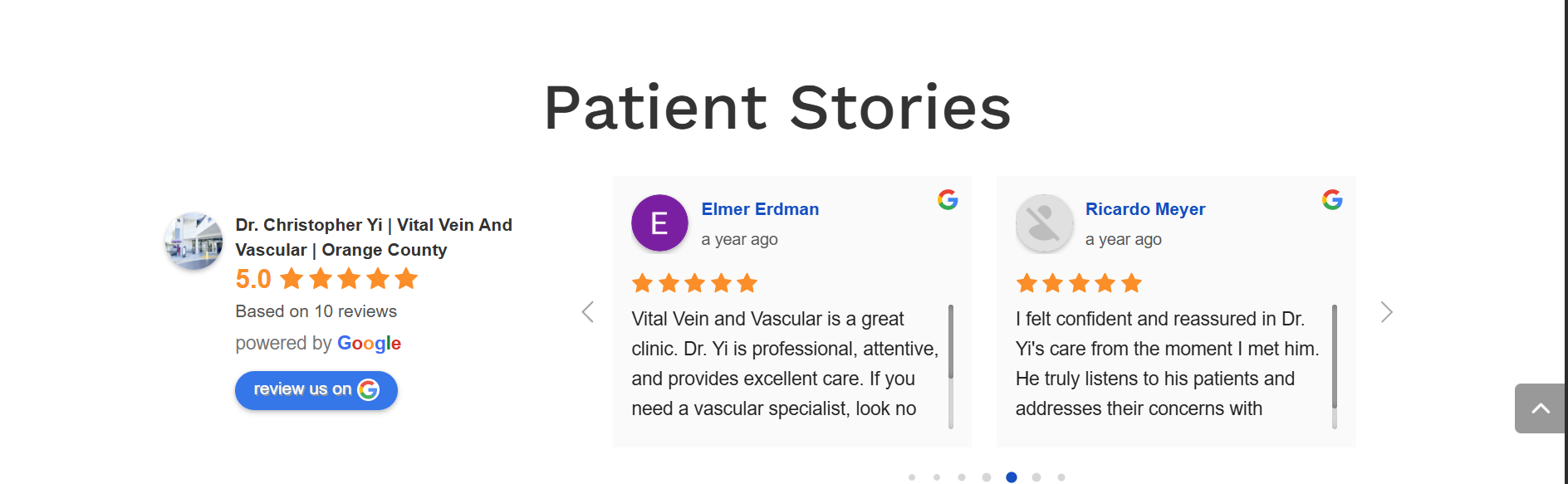
Collect patient reviews
Reviews act as trust signals and directly impact SEO for healthcare industry rankings. Respond professionally to both positive and negative feedback.
Create location-specific landing pages
For example:
-
“Orthopedic Surgeon in Dallas”
-
“Pediatric Dentist in Los Angeles”
Local pages help your medical website rank for geo-specific patient searches.
5. Ensure Your Medical Website Is Technically Optimized
Technical performance plays a huge role in medical SEO. Search engines prefer websites that load quickly, function smoothly, and follow best-practice coding standards.
Key technical SEO priorities
Fast loading speed
Patients won’t wait for slow pages. Use:
-
Compressed images
-
Minimized code
-
Fast hosting
-
Caching solutions
Mobile-first design
More than half of healthcare searches come from mobile devices. Ensure:
-
Responsive layout
-
Easy navigation
-
Large tap targets
-
Clear appointment buttons
This supports SEO for medical clinics and improves patient experience.
Clean website architecture
Use:
-
Logical navigation menus
-
Clear internal linking
-
Organized service categories
It helps search engines crawl and index your site efficiently.
Fix all broken links
Broken pages negatively affect trust and healthcare marketing SEO.
6. Use Structured Data for Better Search Visibility
Structured data (schema markup) helps search engines read and interpret your medical content.
For healthcare websites, important schema types include:
-
MedicalOrganization
-
Dentist / Physician
-
FAQPage
-
MedicalWebPage
-
Article
-
Review
Adding schema enhances your presence in search results by generating rich snippets, improving the performance of SEO for hospitals and clinics.
7. Build Backlinks and Strengthen Online Authority
High-quality backlinks are one of the strongest ranking signals for medical search engine optimization.
Where to get medical backlinks
-
Healthcare associations
-
Medical publications
-
University or research websites
-
Local chambers of commerce
-
Blogs and media outlets
-
Partner organizations
Avoid spammy links quality is much more important than quantity, especially in healthcare.
Authority-building strategies
-
Publish medical research articles
-
Contribute expert opinions
-
Participate in interviews or podcasts
-
Write guest posts
-
Share health education resources
Building a strong digital footprint positions your practice as an industry leader, reinforcing your SEO provider and long-term visibility.
8. Optimize for Patient Experience and Conversion
SEO drives traffic, but patient experience converts visitors into appointments. Every healthcare website should prioritize:
Clear and visible CTAs
Examples:
-
“Book Appointment”
-
“Call Now”
-
“Find a Doctor”
-
“Request Consultation”
Easy-to-use online appointment systems
A frictionless booking process significantly increases conversions.
Readable design
Use:
-
High contrast
-
Large fonts
-
Short paragraphs
-
Minimal clutter
Accessibility compliance
An accessible website improves ranking and patient trust. Follow WCAG 2.1 AA guidelines.
Patient experience directly connects with search engine optimization for medical practices, because Google ranks websites that deliver better usability.
9. Create Specialized Pages for Each Medical Service
General service pages are not enough. For strong SEO for healthcare, each specific treatment or specialty needs its own optimized page.
Examples:
-
“Knee Replacement Surgery”
-
“Root Canal Treatment”
-
“Family Counseling Sessions”
-
“Orthodontic Braces Treatment”
What to include on service pages?
-
Overview of the condition or treatment
-
Symptoms
-
Diagnosis process
-
Treatment procedure
-
Benefits and risks
-
Provider qualifications
-
FAQs
-
Internal links to related pages
These pages help you rank for highly targeted searches and support health SEO growth.
10. Track and Measure Your Healthcare SEO Performance
Monitoring performance is critical for consistent improvement.
Track metrics such as:
-
Organic traffic
-
Keyword rankings
-
Local search visibility
-
Appointment form submissions
-
Website speed
-
Bounce rate
-
User engagement
-
Backlink growth
Tools like Google Analytics, Google Search Console, and SEO platforms help healthcare organizations see what strategies work best.
11. Work With a Trusted Healthcare SEO Company (Optional but Powerful)
Many medical providers prefer professional support from the No.1 healthcare SEO agency services provider because healthcare SEO requires specialized industry knowledge and compliance awareness.
A professional agency can help with:
-
Keyword strategy
-
Content development
-
Technical optimization
-
Local SEO
-
Competitor research
-
Medical content authority building
-
Full SEO audits
-
Patient journey analysis
Choosing a specialized agency ensures your SEO medical marketing aligns with healthcare regulations and industry requirements.
The healthcare industry has become increasingly competitive, and the practices, clinics, and hospitals that invest in a strong SEO strategy are the ones that will remain visible and relevant. With the right combination of technical expertise, authoritative content, local optimization, and patient-focused design, medical providers can significantly improve their online visibility and attract high-quality organic traffic.
From SEO for hospitals, to search engine optimization for therapists and SEO for medical websites, every segment of healthcare can benefit from strategic optimization.
Mastering healthcare SEO is no longer optional it is essential for achieving long-term digital growth and building deeper trust with patients who rely on online search to make informed decisions about their health.