Growing a business online depends on more than just building a website and running a few ads. The success of any paid campaign begins with choosing the right keywords, the ones your actual buyers use when they’re ready to take action. And when it comes to pay-per-click advertising smart keyword selection can transform your campaign from barely performing to consistently converting.
This comprehensive guide will walk you through how to find high-intent keywords, avoid costly mistakes, and build a structure that improves conversions while lowering ad costs, whether you manage ads in-house or work with a professional pay-per-click service.
Why PPC Keyword Selection Matters for Conversions
Not all keywords are equal and not all searchers are equal either. Some are browsing, some are comparing, and some are ready to buy. If your PPC strategy targets low-intent or broad keywords, you’ll end up paying for clicks that never convert.
Correct keyword selection plays a role in:
-
Cost per click (CPC)
-
Ad relevance and Quality Score
-
Landing page match rate
-
Conversion rates and revenue
-
Wasted ad spend minimization
-
Clear user intent alignment
In pay per click optimization, keywords are not simply traffic drivers they are revenue drivers. Focusing on the right ones means every click gets you closer to a sale.
Step 1: Understand User Intent Before Selecting Keywords
Intent is the single most important element in profitable keyword targeting. There are four primary types:
1. Informational Intent
Users are searching to learn: “What is PPC advertising?”
These users rarely convert immediately.
2. Navigational Intent
Users are looking for a specific brand or site: “Google Ads login”
Useful for branded bidding.
3. Commercial Intent
Users are comparing products: “best PPC agencies”
These searches often lead to enquiries.
4. Transactional Intent
Users are ready to buy: “hire PPC management company”
These are the highest converting terms.
When working with a pay per click advertising firm, they often prioritize transactional and commercial terms first, because those drive the fastest ROI.
Step 2: Segment Keywords by Match Type
Google Ads provides three primary match types:
| Match Type | Example | Use Case |
|---|---|---|
| Broad Match | ppc services | Expands reach but may generate low-quality clicks |
| Phrase Match | “ppc services” | Balanced control, matches relevant search variations |
| Exact Match | [ppc services] | Highest precision, best for transactional keywords |
Step 3: Prioritize Long-Tail Keywords for Higher Conversion Rates
Long-tail keywords contain three or more words and deliver:
-
Lower competition
-
More specific search intent
-
Higher Quality Score
-
Better conversion rates at a lower cost
Examples:
-
“ppc services for e-commerce brands”
-
“b2b ppc management pricing”
-
“local ppc services near me”
These keywords attract users who know what they want and are closer to purchasing.
Step 4: Use Keyword Tools That Reveal Buyer Intent
Data is essential in pay per click campaigns. The right tools help identify search volume, competition, CPCs, and intent markers.
Recommended tools:
-
Google Keyword Planner
-
Semrush
-
Ahrefs
-
Moz Keyword Explorer
-
Google Search Console
-
SpyFu for competitor keyword research
These tools help uncover what queries your best buyers actually type before converting.
Conversion rate optimization doesn’t start on the landing page it begins with keyword intent. The right PPC for E-Commerce Brands:ensure your ads reach shoppers who are ready to buy.
Step 5: Competitor Keyword Mapping
Competitor analysis reveals opportunities you may not have considered. Identify:
-
Which keywords drive their traffic
-
Which ads appear for high-intent searches
-
Which landing pages outperform others
-
Pricing and positioning strategies
A strong pay per click advertising firm leverages competitor keyword gaps to place your ads where competitors underperform or don’t appear at all.
Step 6: Group Keywords by Intent and Funnel Stage
A well-structured account groups keywords based on journey relevance:
| Funnel Stage | Intent | Keyword Example | CTA |
|---|---|---|---|
| Awareness | Informational | what is pay per click | Learn More |
| Consideration | Commercial | best ppc services | Compare Plans |
| Decision | Transactional | hire ppc agency | Contact Sales |
This structure ensures that messaging and landing pages perfectly match user intent, which is central to conversion-focused pay per click optimization.
Step 7: Use Negative Keywords to Reduce Wasted Spend
Negative keywords prevent ads from appearing for irrelevant or low-value searches.
Examples of common negatives:
-
Jobs
-
Free
-
Definition
-
Course
-
Tutorial
Without negative filtering, advertisements waste budget on traffic that has zero purchasing intent. Many businesses hire pay per click services specifically for better negative keyword management.
Step 8: Evaluate Costs vs. Conversion Value
Choosing keywords solely based on search volume results in expensive, low-return campaigns.
Better approach:
-
Focus on Customer Lifetime Value (LTV)
-
Bid more aggressively on keywords linked to high-value leads
-
Track conversions beyond the first interaction
A keyword with lower volume but high conversion intent often brings more profitable results in pay per click campaigns.
Step 9: Improve Quality Score Through Relevance
Quality Score reduces CPC and increases impressions. It depends on:
-
Keyword to ad relevance
-
Landing page relevance and load speed
-
Expected click-through rate (CTR)
A good pay per click advertising firm continuously aligns keyword targeting strategy with landing pages to maintain high Quality Scores.
Step 10: Continual Testing and Data-Driven Refinement
PPC keyword selection is not a one-time task. It evolves with:
-
Market trends
-
Competitor bidding
-
Seasonality
-
Product or service updates
Key optimization techniques:
-
A/B test keyword groups
-
Shift budget to best-performing keywords
-
Introduce new transactional phrases
-
Remove keywords with high CPC and no conversions
It becomes a cycle of constant pay per click optimization to keep conversion rates improving.
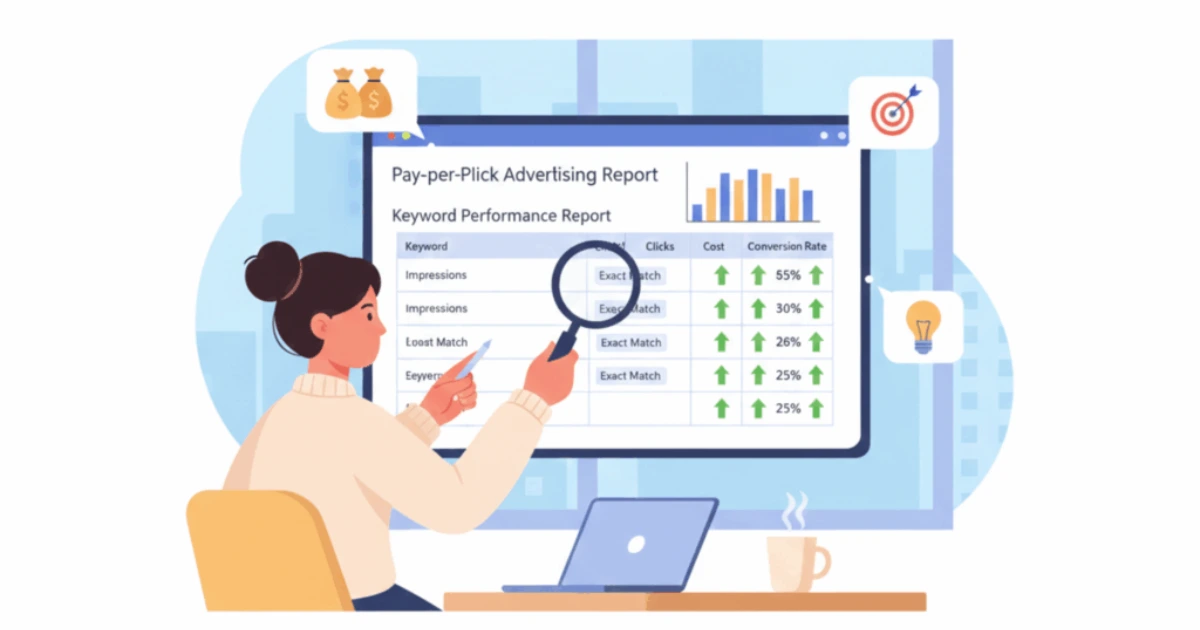
Types of PPC Keywords That Typically Convert Fastest
Below is a priority list based on search intent strength:
-
Transactional Intent
-
“hire pay per click services”
-
“ppc agency cost”
-
-
Product/Service-specific
-
“ppc for lawyers”
-
“google ads management for dentists”
-
-
Location-based
-
“pay per click services in Mumbai”
-
“delhi ppc agency near me”
-
-
Brand-comparison
-
“google ads vs facebook ads cost”
-
-
Urgent action
-
“same day ppc marketing help”
-
When a business partners with expert pay per click services, these keywords are often the primary focus because they attract motivated buyers.
Avoid These PPC Keyword Mistakes
Many campaigns fail before they even begin. Avoid:
-
Broad, generic keywords with vague intent
-
Chasing high search volume without conversion insight
-
Ignoring negative keywords
-
Sending all traffic to the homepage
-
No separation between branded and non-branded campaigns
-
Overlapping ad groups competing against each other
These mistakes often lead businesses to hire a pay per click advertising firm to fix wasted spending.
How Working With a PPC Partner Enhances Results
Managing a full PPC strategy in-house can be overwhelming. Professional support helps ensure:
-
Continuous keyword refinement
-
Strong landing page alignment
-
Analytics-based decisions
-
Higher conversion rates at sustainable costs
A skilled team specializing in pay per click services ensures every click has a higher likelihood of becoming revenue.
For businesses scaling aggressively, partnering with professionals is often the fastest way to improve the ROI of pay per click campaigns and outperform competitors.
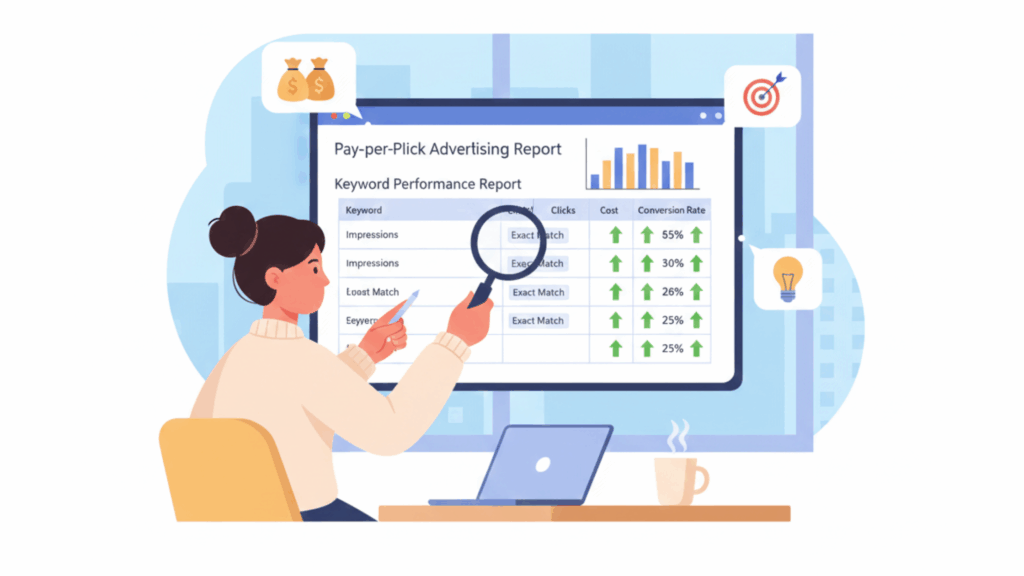
Final Keyword Selection Checklist for Conversion-Focused PPC
Before bidding on any keyword, ask:
-
Does this keyword show buyer intent?
-
Will the searcher likely convert?
-
Do we have a landing page that satisfies their intent?
-
Are competitors aggressively bidding on this term?
-
Does the long-term profitability justify the CPC?
If the answer is yes to at least four of the five, the keyword is worth testing in pay per click bidding.
Smart PPC Keyword Selection Drives Long-Term Profitability
The right PPC keywords do more than attract visitors; they attract buyers. When campaigns align keywords with user intent, Quality Scores improve, conversion rates rise, and advertising budgets work harder.
Whether you are just getting started or looking to restructure existing advertising campaigns, the strategies above will help you identify and invest in keywords that generate measurable results.
Working either independently or with a qualified pay per click advertising firm, continuous keyword evaluation ensures your campaigns stay efficient, competitive, and conversion-focused.